Focused arrival windows
Useful updates and clear arrival timing.
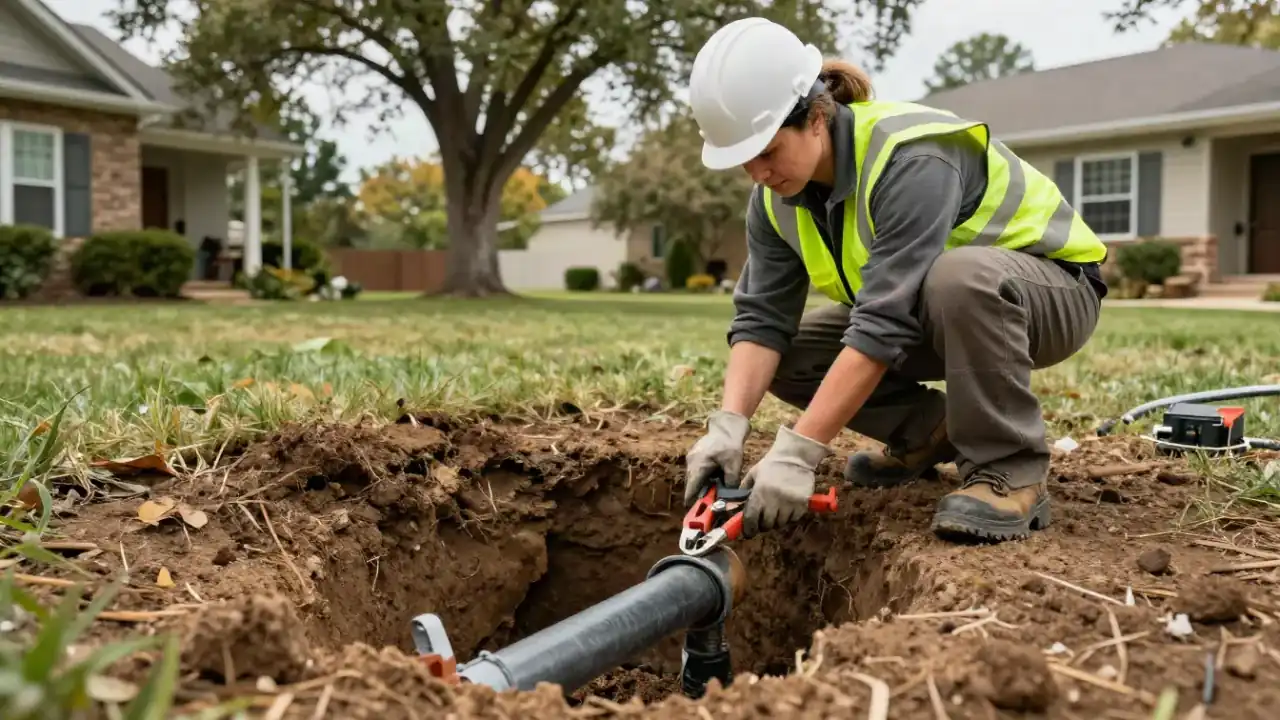
Pipe bursting Roswell GA is the trenchless method we use to pull a new HDPE pipe through your old failing sewer line, breaking the old pipe outward as it goes. If roots, bellies or collapsed clay have your line backing up, we camera it, burst it and restore flow, usually in a single day. We serve homeowners across Fulton County, from the Historic District to Willow Springs.
Useful updates and clear arrival timing.
Review the approach and price before deciding.
Equipped vehicles and respectful cleanup.
Neighbors serving neighbors with follow-through.
Every pipe bursting job includes the camera inspection, the bursting work, the new HDPE pipe, reconnection and testing. We handle permitting through Fulton County. Surface restoration is included for the two access pits. Larger landscaping or hardscape rebuilds are quoted separately if you want them.
We run a sewer camera and pipe locator down the full run before any digging. You get the footage and a written scope. This confirms bursting is the right method and documents the condition of the line for your records.
We install new high-density polyethylene pipe with heat-fused joints, sized to match or exceed your old line. HDPE resists root intrusion, corrosion and the soil movement common in Roswell's older neighborhoods. The pipe carries a manufacturer warranty.
We dig, shore and later backfill the two access pits needed for the burst. Pits are typically 3 by 4 feet. We compact the soil and restore the surface so the yard returns to normal within a few weeks.
We reconnect the new pipe to your cleanout and the city main using flexible couplings, then pressure-test and flow-test the line. A second camera pass confirms the finished pipe before we close up. You see the result, not just a promise.
We pull the required permits through Fulton County and haul off all old pipe, soil and debris. You do not deal with paperwork or dumpsters. When we leave, the only thing missing is the failing sewer line.
Share what is happening and receive a clear next step from the local team.
Pipe bursting Roswell GA is a trenchless replacement method that pulls a new high-density polyethylene (HDPE) pipe through the bore of your existing sewer line while a bursting head fractures the old pipe outward into the surrounding soil. The new pipe takes the old pipe's path, so the grade stays intact and the connection points stay where they were. We pull fused HDPE through in continuous runs, which means fewer joints, fewer future leak points and a service life measured in decades, not years.
Most Roswell calls start the same way: a sewer backup in a 1970s or 1980s ranch, or a clay lateral under mature hardwoods in Martin's Landing that roots have been squeezing for years. A sewer camera shows root intrusion, offset pipe or a bellied section, and the line is too far gone for spot repair. That is when pipe bursting in Roswell Georgia beats open-cut digging, because we replace the whole run without trenching through your lawn, driveway or landscaping.
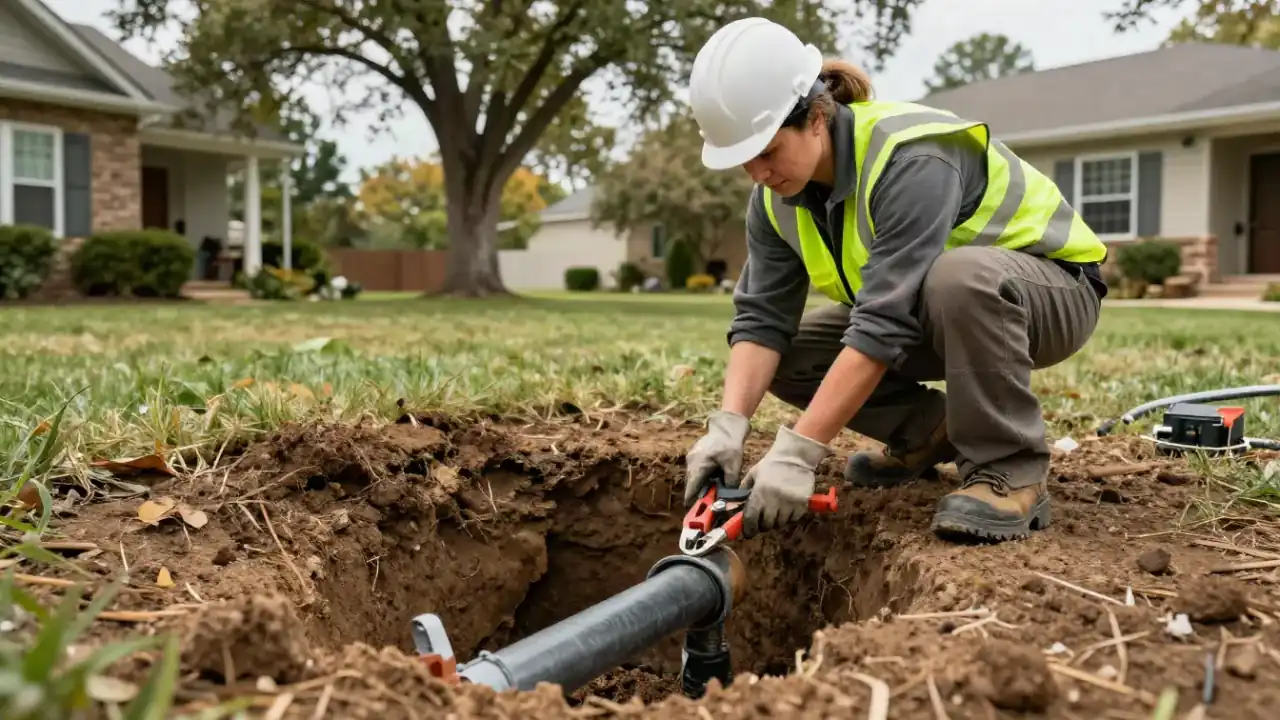
We run a sewer camera and pipe locator down the line to map the run, find the failure and confirm bursting is the right call. You see the footage. If a CIPP liner or spot repair will do the job for less, we tell you that instead. Takes 45 to 90 minutes.
We dig two small pits, one at the upstream cleanout and one at the connection to the city main. Each is roughly 3 by 4 feet. We protect the surrounding turf and set up containment so soil and debris stay out of your house and off the street.
A winch pulls the bursting head through the old pipe while new HDPE feeds in behind it. The head fractures the old clay or cast iron outward and the new pipe takes its place. A 100-foot run usually takes two to four hours of machine time.
We tie the new HDPE into your cleanout and the city main with flexible couplings, then pressure-test and flow-test the line. We camera it a second time so you can see the finished pipe before we backfill. No guesswork, no 'it should be fine.'
We backfill the two pits, compact the soil, and restore the surface. Most yards show two small patches that blend in within a few weeks. We haul off all debris and leave the site the way we found it, minus the failing sewer line.
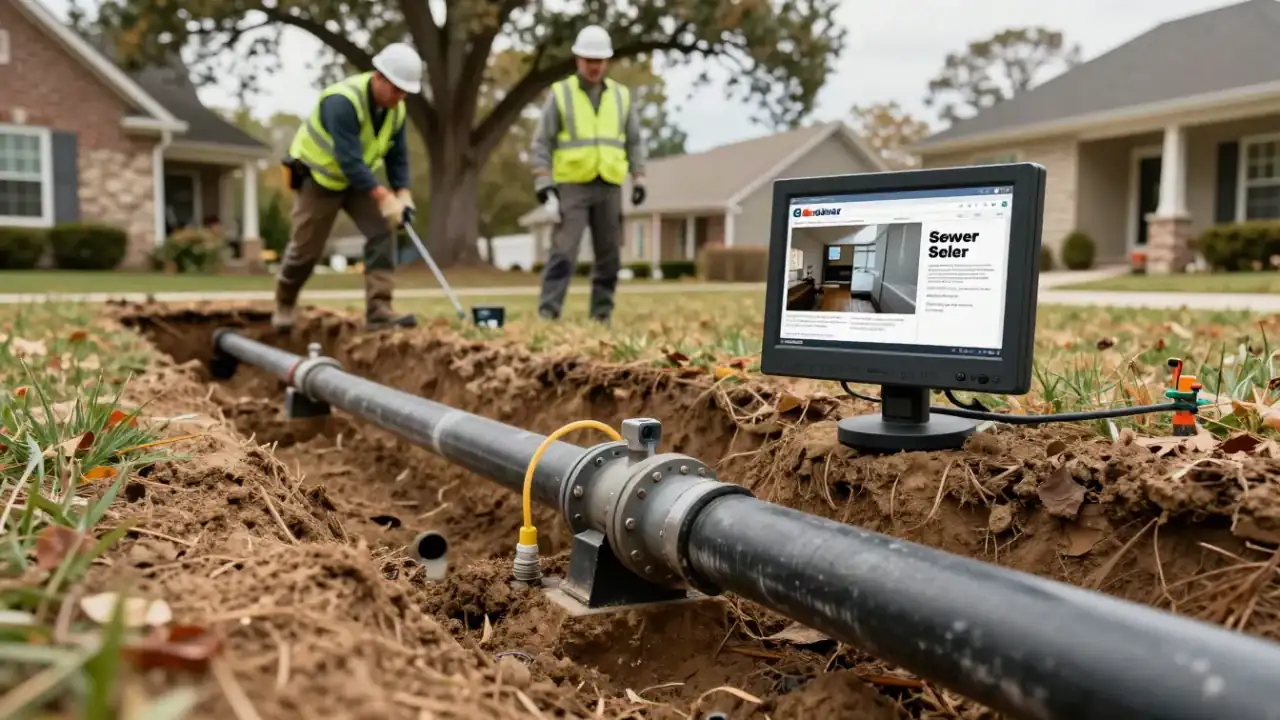
Pulls the bursting head and new HDPE through the old pipe. Sized for 4-inch through 8-inch residential and light commercial lines, with enough pull force for long runs and hard soil.
Documents the inside of the line before and after the burst. We record footage and share it with you, so you see exactly what we saw and what we replaced.
Clears grease, roots and debris before bursting so the head travels cleanly. Also used for routine maintenance on lines we have already replaced.
Cuts heavy root masses out of the pipe ahead of the burst. Roots are the leading cause of backups in Roswell's older neighborhoods, and cutting them first protects the equipment.
Maps the run and confirms depth and grade before we dig. It tells us where the access pits go and verifies the new pipe sits at the correct fall after the burst.
Heat-fuses HDPE pipe sections into continuous runs. Fused joints are stronger than the pipe wall and give roots no seam to enter, which is the whole point of switching to HDPE.
A winch pulls the bursting head through the old pipe while new HDPE feeds in behind it. Static bursting is our standard method for residential laterals because it is precise, quiet and works well in the tight lots common around the Historic District.
We follow NASSCO CIPP certification standards for camera work, which means consistent documentation, proper lighting and a recorded pass both before and after the job. It is the same standard used on municipal sewer contracts.
When a line is undersized, we burst up to two nominal sizes larger in the same run. A 4-inch clay line becomes 6-inch HDPE without a second project. We confirm the city main can accept the larger connection before we start.
After reconnection, we pressure-test and flow-test the new line, then camera it a second time. You get visual proof the pipe is round, clear and at the correct grade before we backfill the pits.
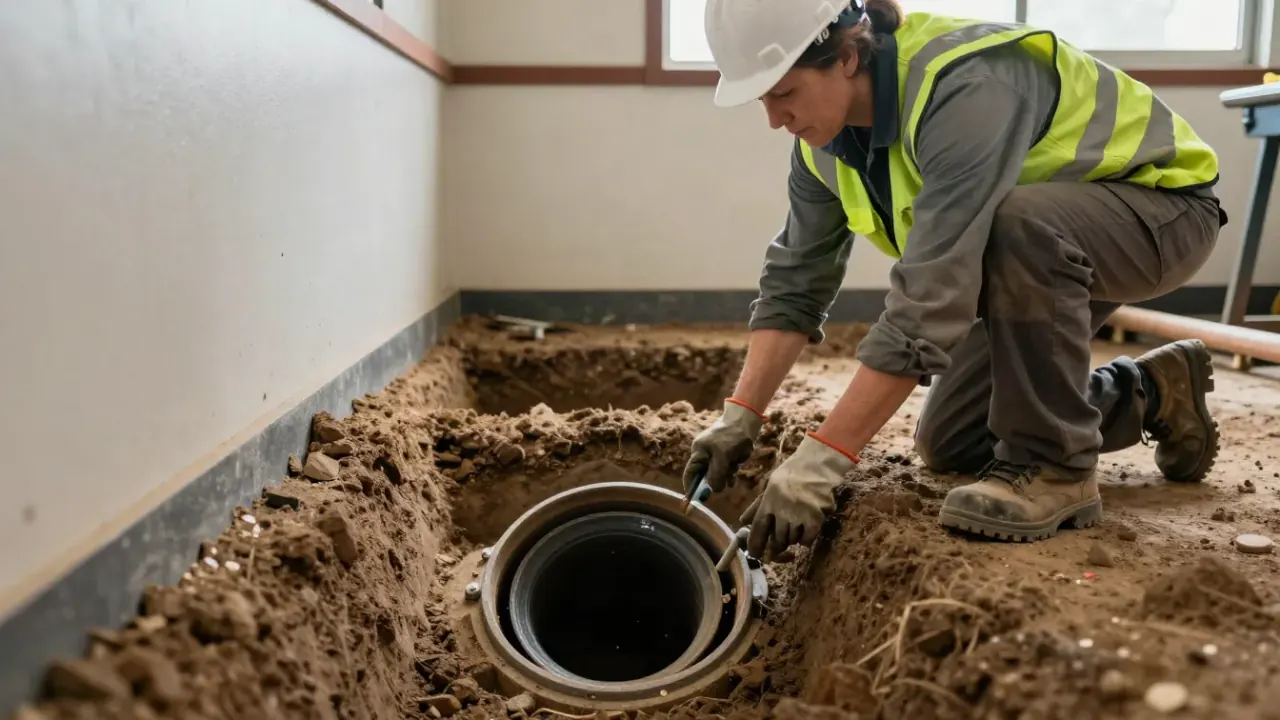
We camera the line, confirm root intrusion and joint failure, then burst the full run from the cleanout to the city main. New fused HDPE goes in with no joints for roots to enter. The line flows freely, the yard has two small patches instead of a trench, and the homeowner stops scheduling annual root treatments.
We inspect and document the lateral on camera, quote pipe bursting, and complete the work before closing. The seller gets a clean report and the buyer gets a new line with a warranty. The deal closes on schedule, and both sides have written proof of the new pipe and its warranty terms.
We respond the same day, isolate the blockage, and burst the failed section the next morning. Trenchless work keeps the disruption to two small pits, so tenants stay in the home. Tenants are back to normal use within a day, and the owner avoids a vacancy and an open-cut dig through the driveway.
We burst and upsize the run to 6-inch HDPE in a single day, reconnecting at both ends and testing flow before backfill. The chronic clogs stop, and the homeowner cancels the quarterly drain service they had been paying for.
Roswell's housing stock drives most of our bursting work. The Historic District and neighborhoods like Martin's Landing and Willow Springs are full of 1960s through 1980s homes with original clay or cast iron laterals, and those pipes are now 40 to 60 years old. Add mature hardwoods, heavy clay soil and the freeze-thaw swings we get each January, and you get root intrusion, offset joints and bellies. Fulton County requires permits for sewer replacement, and we pull them for you. We schedule most pipe bursting in Roswell Georgia jobs within a few days of the camera inspection, and we handle 24/7 pipe bursting Roswell GA emergencies when sewage is backing into a home. If you are comparing pipe bursting vs CIPP in Roswell Georgia, we will show you the footage and tell you honestly which one your line needs.
Older homes with tight lots and mature trees. Access pits need careful placement to avoid disturbing established landscaping and brick walkways.
Heavy hardwood canopy over many laterals. Root intrusion is the most common failure we see, and bursting removes the host pipe roots have been feeding on.
1970s and 1980s construction with original clay laterals now at end of life. Bursting is usually cheaper than repeated spot repairs on these runs.
Larger lots with longer runs to the city main. We size the bursting equipment and HDPE runs accordingly, and longer laterals may take a full day.
Clay expands and contracts with moisture and temperature, which shifts older pipes and creates offset joints and bellies. Bursting replaces the run with flexible HDPE that tolerates that movement without cracking.
Roots seek moisture and enter pipes at every failed joint. We cut them out before bursting and replace the host pipe entirely, so there is no joint left for them to re-enter.
Most Roswell laterals from the 1960s to 1980s are past their design life. Once a camera shows widespread cracking or displacement, bursting is more cost-effective than patching section by section.
A 95-foot clay lateral under mature oaks had root intrusion at six joints and backed up twice in a year. Snaking cleared it for a few months each time. The homeowner was treating the line with root killer quarterly and still scheduling emergency calls.
We burst the full run and installed 95 feet of fused 4-inch HDPE in one day. Two access pits, both backfilled and compacted. A post-job camera pass showed a clean, round pipe with no root entry points.
Maintenance: No root treatments needed. We recommend a camera check every three to five years as routine, and the HDPE carries a manufacturer warranty.
A 1978 ranch had a collapsed cast iron lateral that backed sewage into the basement floor drain. The line would not drain at all. Two other companies quoted open-cut replacement with a trench through the front lawn and driveway.
We burst the collapsed section and upsized from 4-inch to 6-inch HDPE in the same run. Total job time was about nine hours. The basement drained normally that evening, and the yard showed two small patches instead of a trench.
Maintenance: Keep grease out of the kitchen drain and schedule a camera inspection every few years. The larger pipe handles the household load with plenty of margin.
A buyer's inspector found a bellied cast iron lateral with standing water and a 2-inch offset joint. The seller had two weeks to closing and needed a documented fix. An open-cut dig would have torn up a brick walkway and a mature garden.
We inspected and documented the line, burst the run, and restored proper grade with new HDPE. The work finished in one day, the walkway stayed intact, and the buyer received the camera footage and warranty paperwork before closing.
Maintenance: Routine camera checks every three to five years. Avoid flushing wipes and heavy grease, which are the main causes of buildup even in new pipe.
Most Roswell sewer failures fall into a handful of categories. Here is what we see on camera, what happens if you ignore it, and how bursting fixes it for good.
Roots grow into the pipe through failed joints, catch grease and paper, and cause repeat backups. Left alone, they crush the pipe and you are looking at raw sewage in the yard or basement. We cut the roots out with a Picote root cutter and hydro-jetter to clear the line, then burst the host pipe and replace it with fused HDPE. Roots have no joint to enter afterward, so the problem does not come back.
A belly is a low spot where waste and paper settle. An offset joint catches debris the same way. Both cause chronic clogs that snaking only temporarily clears, and both get worse as soil shifts. Pipe bursting replaces the entire run and restores proper fall. We verify grade with a pipe locator before and after, so the new line drains the way it should. No more repeat clogs every few months.
A collapsed pipe blocks flow completely. You get sewage backing into the lowest drain in the house, usually a basement floor drain or tub. Snaking will not fix it and the line will not drain until it is replaced. This is the classic pipe bursting case. We burst the collapsed section and pull new HDPE through the same path, reconnecting to the city main. Most collapsed residential lines are back in service the same day.
Older 4-inch lines in homes with multiple bathrooms and a busy kitchen clog constantly. The pipe is not failing, it is just too small for the load, and no amount of snaking changes that. We burst and upsize to 6-inch in the same run. You get more capacity without a second project later. It is one of the few upgrades that pays for itself in avoided emergency calls.
$8,000 - $18,000 depending on length, depth and pipe size
Honest 2026 pricing for pipe bursting in Roswell runs $8,000 to $18,000 for most residential laterals. The range is wide because every line is different: length, depth, pipe size, soil conditions and surface restoration all move the number. We quote after the camera inspection, so you are comparing real numbers, not guesses. If a CIPP liner or spot repair will solve your problem for less, we tell you. You should never pay for a burst you do not need.
You are paying to replace the failing pipe, not to repair the surface above it. Trenchless bursting avoids the trench, the dead lawn and the driveway rebuild, and the new HDPE carries a manufacturer warranty. Most homeowners break even against open-cut once restoration is included.
Most Roswell laterals run 60 to 120 feet from the house to the city main. Longer runs need more HDPE, more machine time and sometimes a second day. Every additional 20 feet adds roughly $1,200 to $2,000 to the job.
Deeper lines mean deeper access pits, more shoring and more soil to remove and backfill. Lines 6 feet or deeper add labor and safety measures. Most Roswell laterals sit between 3 and 8 feet.
Bursting a 4-inch line to 6-inch HDPE costs more in materials but solves capacity problems permanently. Upsizing is usually 10 to 20 percent more than a same-size burst and far cheaper than a second project later.
Roswell's heavy clay is normal for us. Hard rock, high groundwater or buried obstructions slow the burst and add equipment time. We identify most of these during the camera inspection and locator pass.
Two access pits in grass are included. Rebuilding a section of driveway, brick walkway or decorative hardscape is quoted separately. We tell you upfront if restoration beyond the pits will be needed.
We are a state-licensed plumbing contractor working out of Roswell, and sewer line work is what we do every day. Our technicians hold confined space entry certification and OSHA 30 training, and we follow NASSCO CIPP certification standards on every camera inspection and lining job. We run RIDGID and Spartan Tool cameras, HammerHead bursting equipment and Picote root cutters. When a line needs bursting, we have the machine and the crew for it, not a subcontractor we have never met.
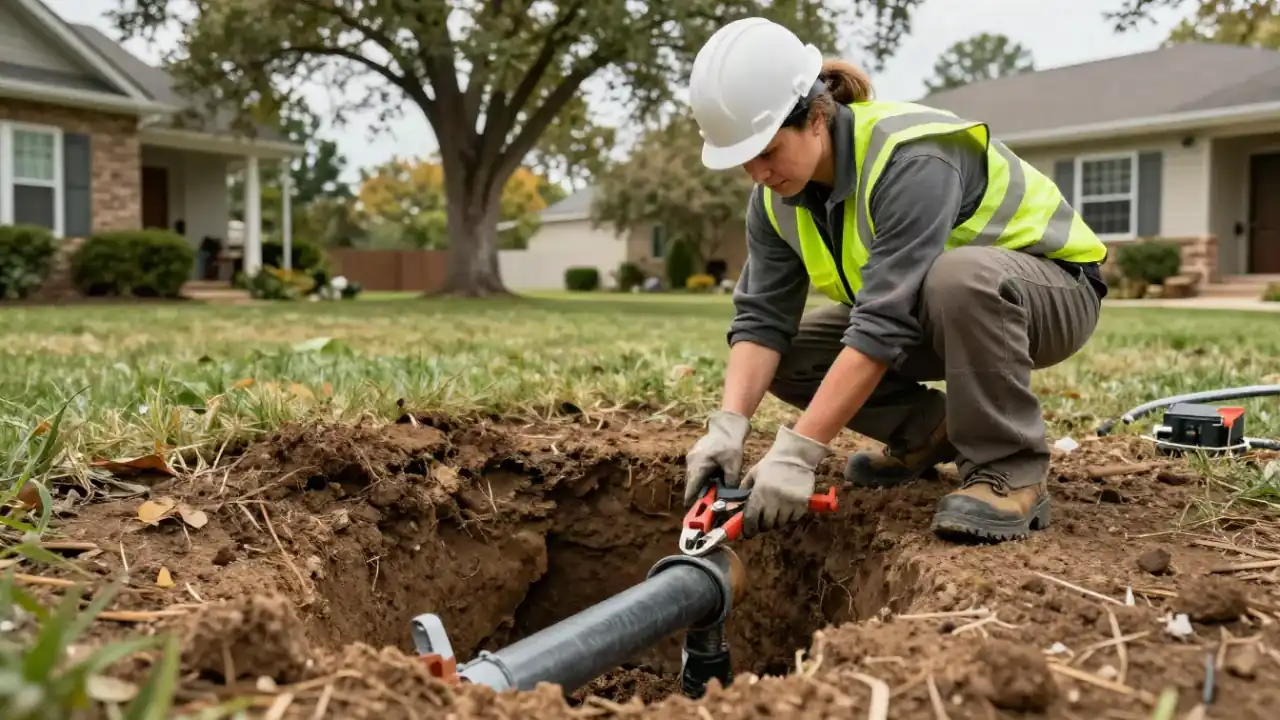
We had roots in our clay lateral for years and were quoted a full open-cut dig by another company. This crew cameraed the line, showed us the footage and burst it in one day. Two small patches in the yard and nothing else disturbed. The line has been flowing perfectly since, and the price matched the quote exactly.
Our 1978 ranch had a bellied cast iron line that backed up every few months. They burst it and upsized us from 4-inch to 6-inch in the same run. Crew showed up on time, explained every step, and cleaned up so well you could not tell they had dug anything. Worth every dollar.
We manage several older rentals near the Historic District and sewer problems are constant. This team has burst three laterals for us now. They camera everything, send footage, and their pricing is consistent. Tenants barely notice the work happening, which matters when you are managing occupied homes.
Most residential pipe bursting jobs in Roswell run $8,000 to $18,000 in 2026, depending on length, depth and pipe size. A short 60-foot lateral with shallow access sits at the low end. Longer runs, deeper lines, larger upsize bursts and driveway or hardscape restoration push toward the top. We quote after the camera inspection, so the number you get is the number you pay.
It depends on the pipe. CIPP lining is cheaper and faster when the existing pipe still holds its shape and only has cracks or root intrusion. Pipe bursting wins when the pipe is collapsed, badly bellied, offset or undersized, because lining cannot fix a pipe that has lost its structure. We camera the line and recommend whichever one actually solves your problem.
A typical residential burst takes one working day, usually 6 to 10 hours from setup to cleanup. That covers a 60 to 120 foot run. Longer runs, deeper pits, hard rock or heavy root masses can push into a second day. You can usually use water and flush normally the same evening we finish.
Yes. Pipe bursting is one of the best methods for residential sewer laterals, including the section from your house to the city main. It works on clay, cast iron, Orangeburg and PVC. We burst 4-inch and 6-inch laterals routinely in Roswell neighborhoods like Willow Springs and Hembree Forest, and we can upsize to 6-inch if your line is undersized.
Not seeing your question? Our local team can help you understand urgency, scheduling and what to expect.
Ask the local teamNot every failed line needs full replacement. When the damage is localized, trenchless repair fixes the section without digging. We camera first, then decide whether repair or bursting is the right call for your Roswell home.
View service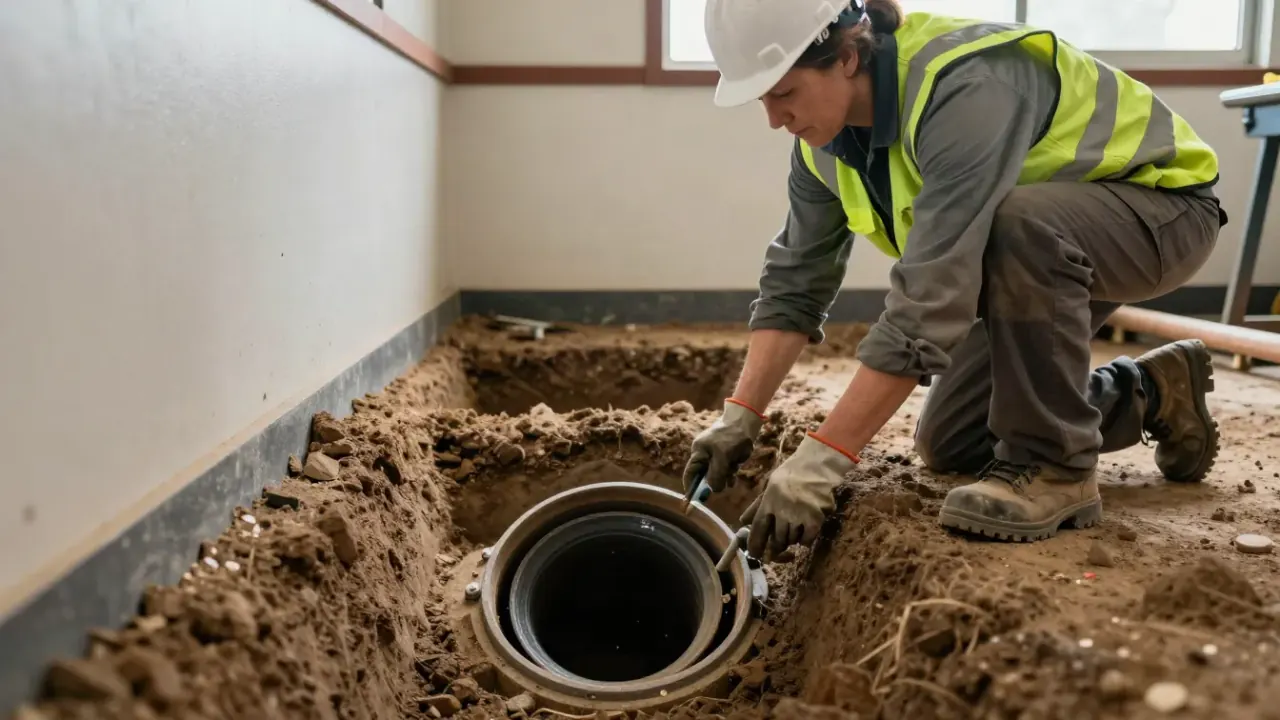
CIPP lining installs an epoxy resin liner inside the existing pipe. It is a strong option when the pipe still has its shape and you want the lowest-cost fix. We compare lining and bursting side by side after the camera inspection.
View service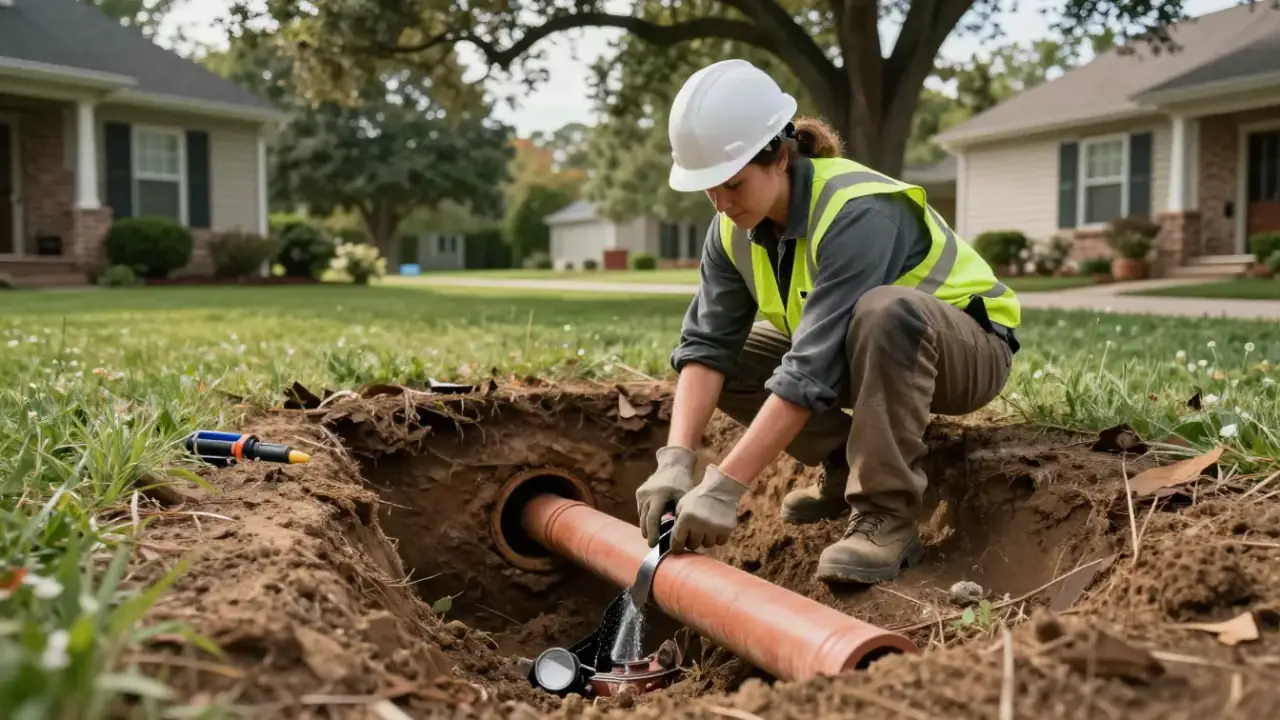
For a single cracked section or one bad joint, spot repair is the cheapest path. We cut out the damaged piece and couple in new pipe. It pairs well with pipe bursting when only part of the run has failed.
View service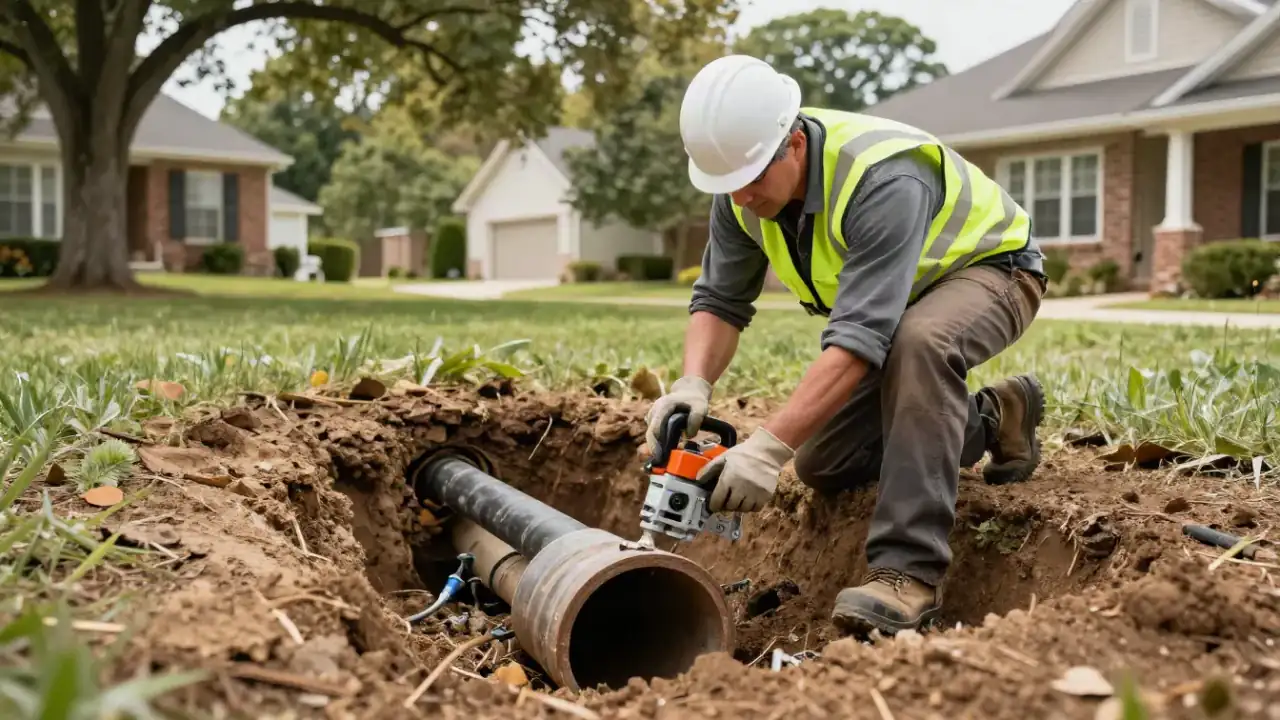
Every pipe bursting job starts here. We run a RIDGID camera down the line, locate the failure and record the footage for you. It is also the fastest way to confirm whether roots or a belly are the real problem.
View serviceCall (770) 214-4809 any time, day or night, and a real person answers. For non-emergency work, we schedule camera inspections and repairs Monday through Friday, and we confirm your window before the truck rolls. Email works too if you prefer to send photos of the backup or the cleanout.